
Name a Shark
Help name one of 5 sharks we're now tracking along the Cape of Good Hope
You asked to name a shark.
At the time, we did not yet have any ready.
We do now.
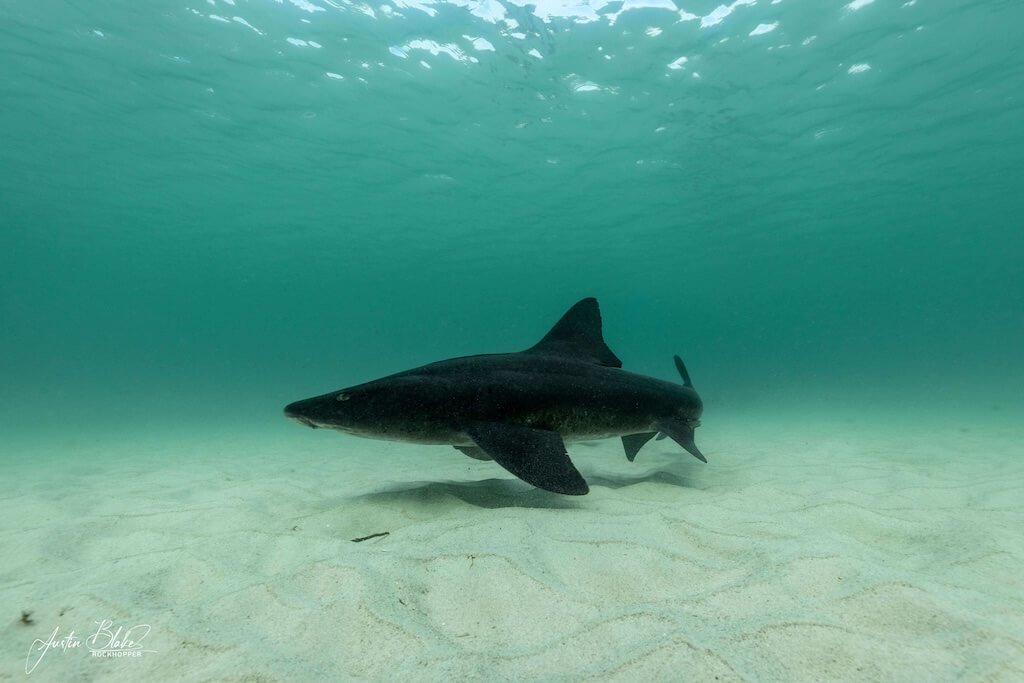
We have recently tagged 5 sharks along the Cape of Good Hope, South Africa.
They are already moving, and we are now tracking where they go.
Each shark still needs a name.
Why this matters
This is not a symbolic campaign.
These are real sharks, tagged as part of ongoing research to better understand how they move through our coastline and how we can protect them and their ocean home.
When you submit a name, you are becoming part of a real scientific story as it unfolds.
How it works
Submit your shark name and the story behind it.
We review the submissions and shortlist the strongest names.
Final names are chosen based on the story and what we’re learning about each shark.
We share updates as the sharks are detected and the story develops over the next 10 years.
Submit your shark name
What happens next
Once names start coming in, we will close submissions and begin shortlisting.
We will also share updates on:
where the sharks move
when they are detected again
what we are learning from the tracking
which names make the shortlist
Want to go further?
Some supporters choose to do more than submit a name.
Bring this to your team
We also run live shark scientist sessions for companies and groups.
These sessions can include the shark naming story, the tracking science behind it, and real updates from the field.
If there is someone at your company who organises team sessions or events, you are welcome to connect us.
Name a shark directly
If you would prefer to name a shark directly, without going through the shortlist process, that is also possible through a direct contribution to the research.
Direct naming contribution: USD $560
A note from Justin
RockHopper exists to help people connect more deeply with the ocean through real science, real stories, and real conservation work.
Thank you for raising your hand to be part of this.
— Justin Blake
Marine biologist, guide, and founder of RockHopper